Sensory Impairment Support in Ilford, Barking and East London
Adapted, Understanding Support for People Living with Vision Loss, Hearing Loss or Dual Sensory Impairment.
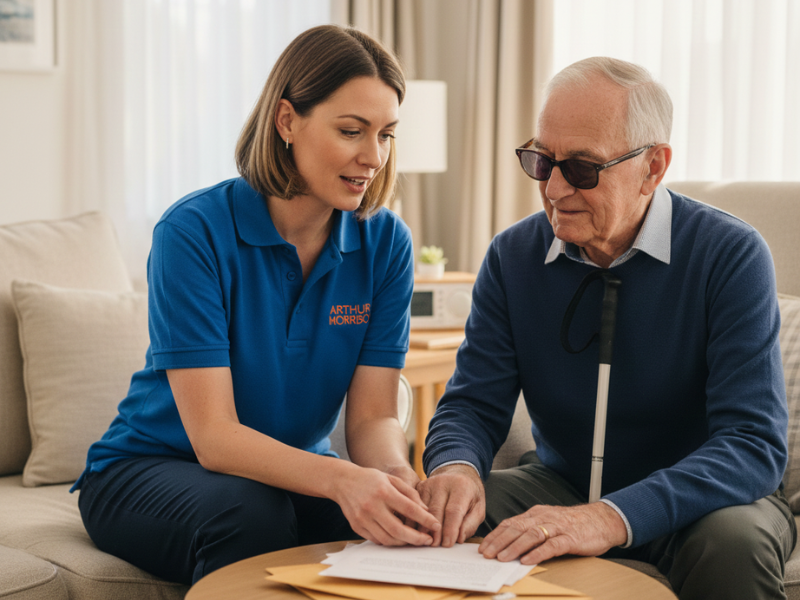
Living with a sensory impairment affects how you experience and interact with the world around you. Whether you have sight loss, hearing loss or both, daily life can present challenges that others may not fully understand. At Arthur Morrison Care Services, we provide thoughtful, adapted support that helps you maintain independence and quality of life in your own home. Our trained carers understand sensory impairments and communicate in ways that work for you. We support people across Ilford, Barking and East London, always adapting our approach to meet your individual needs and preferences.
CQC
Rated Good
CQC Rated Good
Safe, Effective, Caring, Responsive, Well Led
Sensory Awareness Trained
Understanding communication and adapted approaches
Patient and Adaptable
Taking time to communicate effectively
Consistent Carers
Familiar voices and approaches you can rely on
What is Sensory Impairment Support at Home?
Sensory impairments affect the senses we rely on to navigate daily life. Sight loss makes it difficult to read, recognise faces, move around safely and perform many everyday tasks. Hearing loss affects communication, social interaction and awareness of the environment. When both senses are affected, the challenges multiply significantly.
Sensory impairment support provides practical assistance adapted to how you experience the world. Our carers communicate in ways that work for you, whether that means speaking clearly, using touch cues, written notes, sign language or other methods. We help with daily tasks that your sensory impairment makes difficult, always encouraging your independence rather than taking over.
At Arthur Morrison Care Services, we understand that sensory impairments vary greatly. Some people have partial sight or hearing, others have complete loss. Some were born with sensory impairments, others acquired them later in life. Each person has different communication preferences and different levels of adaptation. We take time to understand your specific situation and tailor our support accordingly.
Why Adapted Home Support Matters
- Remain in familiar surroundings you know and can navigate
- Receive support from carers who understand your needs
- Communicate in ways that work for you
- Maintain independence with appropriate assistance
- Stay connected to family, friends and community
- Access activities and services with supported navigation
- Receive consistent care from familiar carers
- Avoid the disruption of unfamiliar environments

Who Can Benefit from Sensory Impairment Support?
We support people with all types and degrees of sensory impairment, from mild to profound, whether present from birth or acquired later in life.
People with Sight Loss
Sight loss ranges from partial vision to complete blindness. Whatever your level of vision, we provide support that enables you to live safely and independently.
How we help:
- •Guiding and mobility support inside and outside the home
- •Reading post, labels, instructions and documents
- •Describing surroundings and providing orientation
- •Medication identification and management
- •Meal preparation with adapted techniques
People with Hearing Loss
Hearing loss affects communication and can lead to isolation if support is not available. We adapt our communication to ensure you are informed, involved and connected.
How we help:
- •Clear communication facing you with good lighting
- •Written notes and communication books
- •Support with hearing aid management
- •Ensuring you are aware of doorbells and alarms
- •Reducing isolation through patient interaction
People Who Are Deafblind
Dual sensory loss presents profound challenges as both main senses for communication and navigation are affected. We provide specialist adapted support for deafblind individuals.
How we help:
- •Communication methods suited to you (tactile signing, deafblind manual)
- •Guiding support using appropriate techniques
- •Hands on information about surroundings
- •Personal care with clear tactile communication
- •Patient, unhurried interaction
People with Acquired Sensory Loss
Losing sight or hearing later in life brings significant adjustment challenges. Support helps you adapt while maintaining independence.
How we help:
- •Patient support during the adjustment period
- •Learning new techniques and approaches together
- •Emotional support through the transition
- •Assistance accessing rehabilitation services
- •Building confidence in adapted daily living
People with Sensory Impairment and Other Conditions
Many people have sensory impairments alongside other conditions such as dementia, learning disabilities, physical disabilities or age related frailty.
How we help:
- •Adapted communication alongside other care needs
- •Understanding how conditions interact
- •Consistent approaches that address the whole person
- •Coordination with multiple professionals
- •Patience with complex communication needs
What Does Our Sensory Impairment Support Include?
Our support is practical, adapted and person centred. We help with daily living while respecting your independence and preferences.
Communication Support
Effective communication is the foundation of good support. We adapt our approach to ensure clear, meaningful interaction.
- •Speaking clearly at appropriate pace and volume
- •Facing you with good lighting for lip reading
- •Using written notes and communication aids
- •Learning your preferred communication methods
- •Using touch appropriately with consent
- •For deafblind: tactile signing, deafblind manual alphabet
Personal Care with Dignity
Personal care for someone with sensory impairment requires clear communication throughout. We explain what we are doing and ensure you feel comfortable.
- •Bathing and showering with verbal guidance
- •Dressing and grooming assistance
- •Toileting support with clear communication
- •Hair care and personal presentation
- •Telling you before any physical contact
- •Maintaining your dignity and privacy throughout
Guiding and Mobility Support
Safe movement around your home and community is essential. We provide appropriate guiding support while encouraging your independence.
- •Sighted guide technique for those with vision loss
- •Verbal descriptions of environment and obstacles
- •Orientation to new or changed environments
- •Support using mobility aids (white canes, guide dogs)
- •Accompanying you on outings and appointments
- •Building your confidence in familiar routes
Reading and Information Access
Accessing written information is challenging with vision loss. We help you stay informed and manage paperwork.
- •Reading post and correspondence aloud
- •Explaining bills, documents and official letters
- •Reading medication labels and instructions
- •Support with accessible technology and screen readers
- •Describing visual content and images
- •Helping you respond to letters and forms
Medication Support
Managing medication safely is essential. We help ensure you take the right medication at the right time.
- •Identifying medications clearly
- •Prompting and reminding medication times
- •Opening containers and packaging
- •Reading labels and instructions
- •Ordering and collecting prescriptions
- •Accompanying to medical appointments
Meal Preparation and Nutrition
Preparing meals safely can be challenging with sensory impairment. We help ensure you eat well and safely.
- •Preparing meals with adapted techniques
- •Describing food and plate position (clock face method)
- •Ensuring adequate nutrition and hydration
- •Shopping with you or for you
- •Reading labels and use by dates
- •Safe kitchen practices
Household Management
Keeping your home safe, organised and comfortable matters. We help maintain order that supports your independence.
- •Light cleaning and tidying
- •Maintaining consistent organisation
- •Laundry and clothing care
- •Describing any changes to your environment
- •Reading dials and settings on appliances
- •Ensuring a safe, clutter free environment
Social Engagement and Activities
Sensory impairment can lead to isolation. We support you to stay connected and engaged with life.
- •Companionship and conversation
- •Accompanying you to activities and events
- •Reading aloud and sharing entertainment
- •Support with audio books and accessible media
- •Visiting friends and family with guiding support
- •Reducing isolation and loneliness
Technology Support
Modern technology offers many accessibility features. We help you make the most of devices that enhance independence.
- •Setting up accessibility features on devices
- •Using screen readers and magnification
- •Voice assistants and smart home technology
- •Hearing loop and amplification equipment
- •Specialist equipment for sensory impairment
- •Ongoing support with technology use
Our Approach to Supporting People with Sensory Impairments
Our support is built on understanding, patience and adapted communication.
Understanding Your Experience
We take time to understand how your sensory impairment affects you specifically. No two people experience sensory loss identically, and we never assume we know what you need without asking.
Adapted Communication
We learn how you communicate best and adapt our approach accordingly. Whether that means speaking clearly, writing notes, using sign language or tactile methods, we communicate in ways that work for you.
Patience and Time
Good communication with sensory impairment takes time. We never rush. We ensure you understand information fully and have time to respond. Patience is not optional, it is essential.
Consistency and Familiarity
We assign regular carers who become familiar voices and approaches you can rely on. Consistency builds trust and improves communication as carers learn your specific needs and preferences.
Encouraging Independence
We support you to do things yourself wherever possible, providing assistance only where needed. Your independence matters, and good support works to maintain and enhance it.
Respecting Adaptation
You have developed strategies to manage your sensory impairment. We respect and work with your established approaches, not against them. We learn from you about what works.
Environmental Awareness
We help maintain environments that support your independence. This means consistent organisation, good lighting, clear pathways and alerting you to any changes.
Whole Person Focus
Your sensory impairment is one aspect of who you are. We see the whole person, your interests, personality, relationships and goals, not just your sensory needs.
Why Choose Arthur Morrison Care Services for Sensory Impairment Support?
CQC Rated Good
We are regulated by the Care Quality Commission and rated Good across all five inspection areas. This provides assurance that our support meets national quality and safety standards.
Sensory Awareness Trained
Our carers complete training in sensory impairment awareness, communication techniques and adapted support approaches. They understand how to communicate effectively with people who have sight loss, hearing loss or both.
Consistent Care Team
We assign a small team of regular carers who get to know your communication preferences and needs. Familiar voices and approaches reduce confusion and build the trust essential for effective support.
Patient and Adaptable
Our carers understand that communication and tasks take longer when senses are affected. They are patient, never rush and adapt their approach to what works best for you.
Person Centred Planning
We take time during assessment to understand your specific sensory impairment, how it affects you and how you prefer to communicate and receive support. Your preferences guide everything we do.
Flexible Support Options
From brief daily visits to comprehensive daily support, we offer flexible arrangements that match your needs. As your situation changes, we adapt quickly and responsively.
Coordination with Specialist Services
We work alongside sensory impairment services, rehabilitation officers, audiologists, ophthalmologists and other specialists. We implement professional recommendations and support your access to specialist input.
Local Presence
Based in Barking with coverage across Ilford, Redbridge and East London, we understand local sensory services and can help connect you with appropriate support.
How to Arrange Sensory Impairment Support
Get in Touch
Contact us on 0203 837 4954 or complete our online enquiry form. We can arrange a call, text, email or video call depending on your communication preferences. There is no obligation at this stage.
Free Support Assessment
One of our experienced assessors visits you at home to conduct a comprehensive, free assessment. We discuss your sensory impairment, how it affects daily life, your communication preferences and what support would help.
Personalised Support Plan
Based on the assessment, we create a detailed support plan outlining exactly how we will assist you. This includes your communication preferences, specific techniques to use and how tasks should be approached.
Carer Matching
We carefully select carers suited to your needs. We consider communication skills, experience with sensory impairment, patience and personality compatibility. Where possible, we arrange introductions before support begins.
Support Begins
Support starts at the agreed time. Initial visits focus on building rapport and learning your specific preferences. Your carers follow the support plan while adapting to what works best for you.
Ongoing Support and Reviews
We conduct regular reviews to ensure support remains appropriate. As your needs or circumstances change, we adapt accordingly. We welcome feedback and make adjustments quickly when needed.
Sensory Impairments and Conditions We Support
Our carers are trained to support people with various types of sensory impairment.
Age Related Macular Degeneration
The most common cause of sight loss in older adults, affecting central vision. We help with reading, recognising faces and detailed tasks.
Glaucoma
Causes gradual peripheral vision loss. We support navigation and awareness of surroundings.
Diabetic Retinopathy
Vision changes associated with diabetes. We coordinate with diabetes care and support adapting to vision changes.
Cataracts
Clouded vision before treatment or adjustment after surgery. We provide appropriate support at each stage.
Retinitis Pigmentosa
Progressive peripheral vision loss leading to tunnel vision. We adapt support as the condition progresses.
Presbycusis
Age related hearing loss affecting higher frequencies. We ensure clear communication and reduce background noise.
Profound Deafness
Complete or near complete hearing loss. We use visual and written communication methods.
Tinnitus
While not hearing loss, tinnitus affects how people experience sound. We understand its impact and adapt accordingly.
Deafblindness
Combined sight and hearing loss requiring specialist communication approaches. We are trained in adapted techniques for dual sensory loss.
Usher Syndrome
A genetic condition causing deafness and progressive vision loss. We support adaptation through changing sensory function.
What Our Clients Say About Our Sensory Impairment Support
"Since losing most of my sight to macular degeneration, I was struggling with so much. The carers from Arthur Morrison are patient and understanding. They describe things clearly, guide me safely and help me stay independent. They read my post, help with shopping and make sure I take my medication correctly. I feel safe and supported."
Dorothy H.
Client, Ilford
"My father is profoundly deaf and was becoming isolated. Finding carers who could communicate with him was essential. Arthur Morrison took time to understand his needs. His carers use written notes, face him when speaking and ensure he understands everything. He is so much happier now and feels included rather than left out."
Richard P.
Son of Client, Barking
"I am deafblind following Usher syndrome, and finding appropriate support was really difficult. Arthur Morrison found carers willing to learn hands on communication. They guide me safely, keep me informed about my environment and help me stay connected to life. Their patience and willingness to adapt has been remarkable."
Susan M.
Client, Redbridge
"Mum has glaucoma and hearing loss, so she struggles with both senses. Her carers understand both conditions and communicate beautifully. They speak clearly, ensure good lighting, guide her safely and read to her. The consistency of having the same carers who know her needs has made an enormous difference."
Janet K.
Daughter of Client, Dagenham
Request Your Free Sensory Impairment Support Assessment
Complete the form below and a member of our team will contact you within one working day. Please let us know your preferred contact method.
Communication Methods and Approaches
We adapt our communication to work for each individual. Here are some of the methods and approaches our carers use.
For People with Hearing Loss
- •Clear speech at appropriate volume facing you directly
- •Good lighting for lip reading
- •Written notes and communication books
- •Text messaging
- •Reducing background noise
- •Patience with repetition and clarification
- •Visual signals and gestures
- •British Sign Language (some carers)
For People with Vision Loss
- •Clear verbal communication
- •Announcing presence when entering a room
- •Describing surroundings and activities
- •Using your name to indicate when speaking to you
- •Verbal guidance during tasks and movement
- •Reading aloud
- •Audio and tactile cues
For Deafblind Individuals
- •Hands on signing (if you use sign language)
- •Deafblind manual alphabet
- •Block letter spelling on palm
- •Clear speech close to ear (if residual hearing)
- •Large print or braille notes (if residual vision)
- •Consistent tactile cues and signals
- •Taking time for full understanding
Ready to Discuss Sensory Impairment Support?
Our understanding team is here to help. Contact us in whatever way works best for you. We adapt our communication to your needs.
Patient, adapted support that helps you stay independent.
Related Services You May Be Interested In
Live-in Care
When round the clock support is needed, a dedicated carer lives in your home providing continuous care.
Learn More →Personal Care
Support with washing, dressing, meals, toileting and medication.
Learn More →Companion Care
Friendly companionship and support with activities and outings.
Learn More →Dementia Care
Specialist support for those living with dementia, including those with sensory impairment.
Learn More →